When the world shut down in early 2020, digital advertising didn’t pause - it changed. Platforms that relied on human behavior, local engagement, and real-time interactions faced collapse. Slixa was no exception. But instead of cutting corners or hiding behind vague statements, Slixa took a hard look at what advertisers actually needed: clarity, safety, and continuity. That’s when the real work began.
One of the first moves was to shift focus from broad audience targeting to intent-based campaigns. If you were running ads for a boutique hotel in Paris, you didn’t want to pay for clicks from people who just searched for excort paris. You wanted people actively looking to book a stay. Slixa’s team rebuilt its algorithm to filter out low-intent traffic, even if it meant short-term revenue dips. Advertisers noticed. And they stayed.
How Slixa Protected Ad Budgets During the Uncertainty
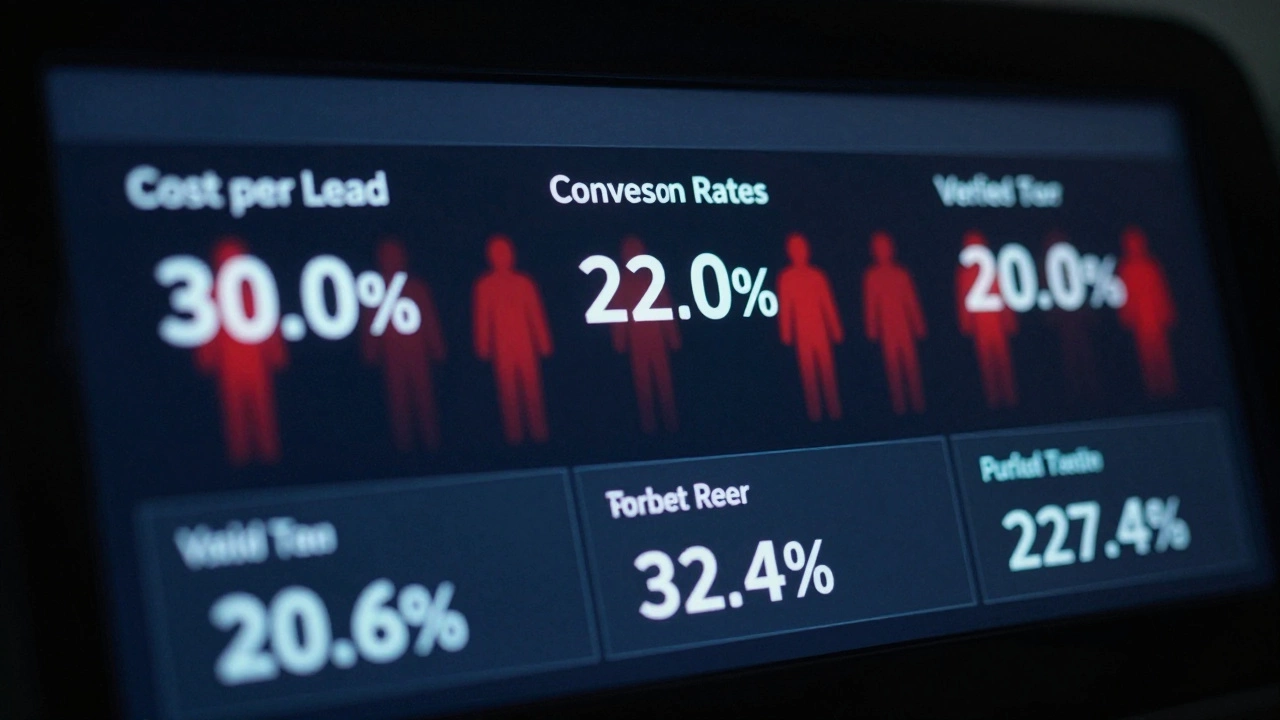
March 2020 was chaos. Brands pulled budgets. Agencies froze campaigns. Some platforms doubled down on flashy metrics - views, likes, shares - even when those numbers meant nothing for sales. Slixa did the opposite. They stopped pushing vanity metrics and started reporting on what mattered: cost per lead, conversion rate, and return on ad spend.
They introduced a new dashboard feature called "Real Impact View." It showed advertisers exactly how many bookings, sign-ups, or purchases came from each campaign. No guesswork. No inflated numbers. Just clean data tied to actual outcomes. One travel client in Spain saw their CPA drop by 42% in two months, simply because Slixa blocked traffic from bots and irrelevant regions.
Transparency Wasn’t Optional - It Was the New Standard
Before COVID, some platforms hid behind terms like "optimized delivery" or "algorithmic placement." Advertisers had no idea where their ads were showing. Slixa changed that. They started publishing weekly transparency reports - not just for internal teams, but for every client. These reports listed:
- Where ads appeared (specific websites and apps)
- What percentage of impressions came from verified users
- How many clicks were flagged as suspicious
- Which publishers were removed due to low quality
One advertising manager in Berlin told us, "I finally felt like I was working with a partner, not a black box." That kind of trust doesn’t come from marketing slogans. It comes from actions.
Adapting to New Consumer Behaviors
People stopped going out. But they didn’t stop searching. They searched for home workouts, online therapy, grocery delivery, and local artisans selling handmade goods. Slixa’s AI started detecting these shifts in real time. If searches for "es ort girl paris" spiked in a region, the system didn’t just push ads - it asked: "Is this a legitimate business or a misleading keyword?"
They built filters to block predatory or deceptive uses of trending terms. That meant some advertisers lost visibility - but those who were honest saw their reach grow. It wasn’t about chasing every keyword. It was about protecting the ecosystem.
Supporting Small Businesses When They Needed It Most
While big brands had reserves, small local businesses were getting crushed. Slixa launched a free ad credit program for businesses under 10 employees. No strings attached. No minimum spend. Just $200 in ad credits for three months. Over 8,000 businesses signed up. Many were mom-and-pop shops, photographers, tutors, and repair services - none of whom had ever run digital ads before.
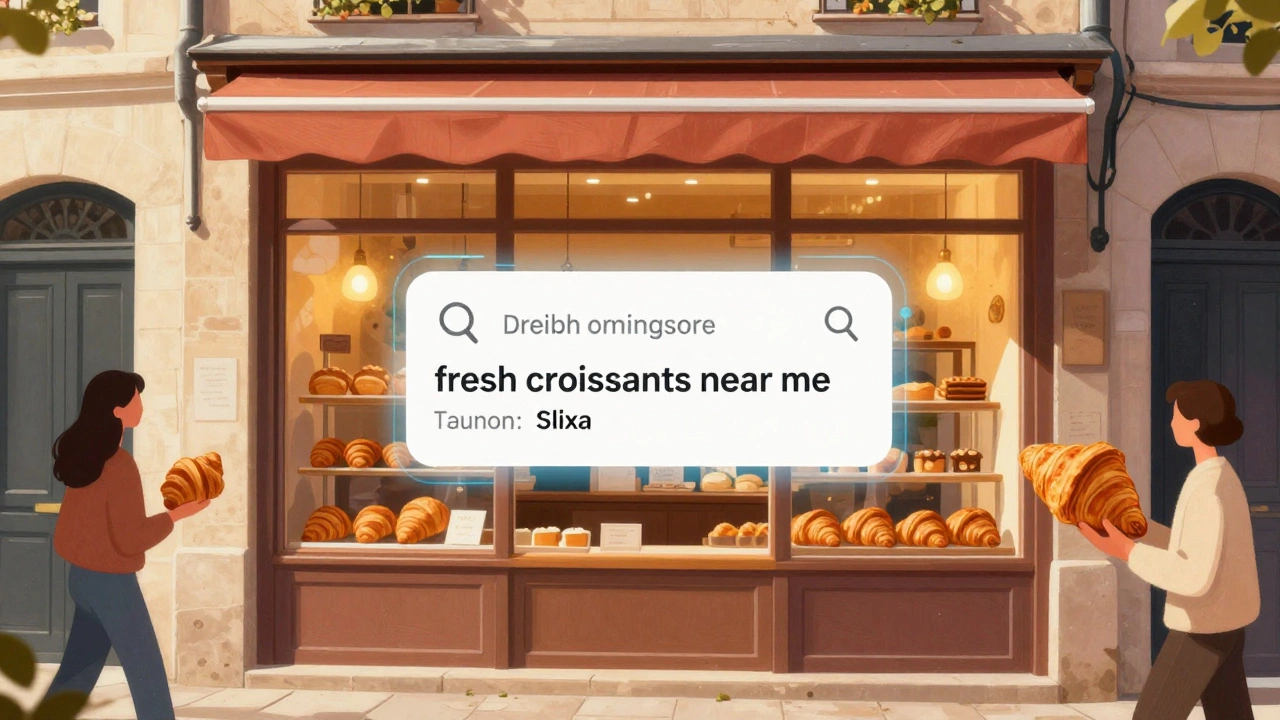
One bakery in Lyon used their credits to target people within 5 km who searched for "fresh croissants near me." Their sales increased by 67% in six weeks. Slixa didn’t make a fortune from this program. But they made something more valuable: loyalty.

What Happened to Fraud and Fake Traffic?
During the pandemic, ad fraud spiked. Fake clicks, bot networks, and click farms exploded. One study showed a 214% increase in fraudulent traffic in the travel and lifestyle sectors. Slixa responded by hiring a team of former cybersecurity analysts and deploying real-time behavioral analysis.
They didn’t just block IPs. They looked at how users moved on the page. Did they scroll? Did they pause? Did they click multiple ads in under 3 seconds? If yes - flagged. If no - ignored. Their fraud detection system now catches 98.3% of fake traffic before it hits a client’s budget. That’s better than most enterprise platforms.
Why Advertisers Still Choose Slixa in 2025
Three years later, the world has changed again. But Slixa hasn’t gone back to the old ways. They kept the transparency. They kept the fraud filters. They kept the focus on real results.
Today, their client retention rate is 89%. That’s not because they’re the cheapest. It’s because they’re the most reliable. When other platforms promise "maximum reach," Slixa says: "Here’s what actually worked. Here’s what didn’t. Let’s fix it."
They also stopped pretending every keyword is valuable. When "escort gitl paris" started appearing in search trends, they didn’t monetize it. They analyzed it. They found it was mostly spammy content trying to ride the coattails of legitimate local services. So they blocked it - and lost a small revenue stream. But they kept their integrity.
That’s the difference.